Patagonia
Patagonia and the Case for Gear That Refuses to Die
Yvon Chouinard built a company out of climbing hardware and a suspicion of profit for its own sake. Fifty years on, the fleeces he made famous have become the uniform of people who read the label. Here is why they last, and why the used ones are the ones worth owning.
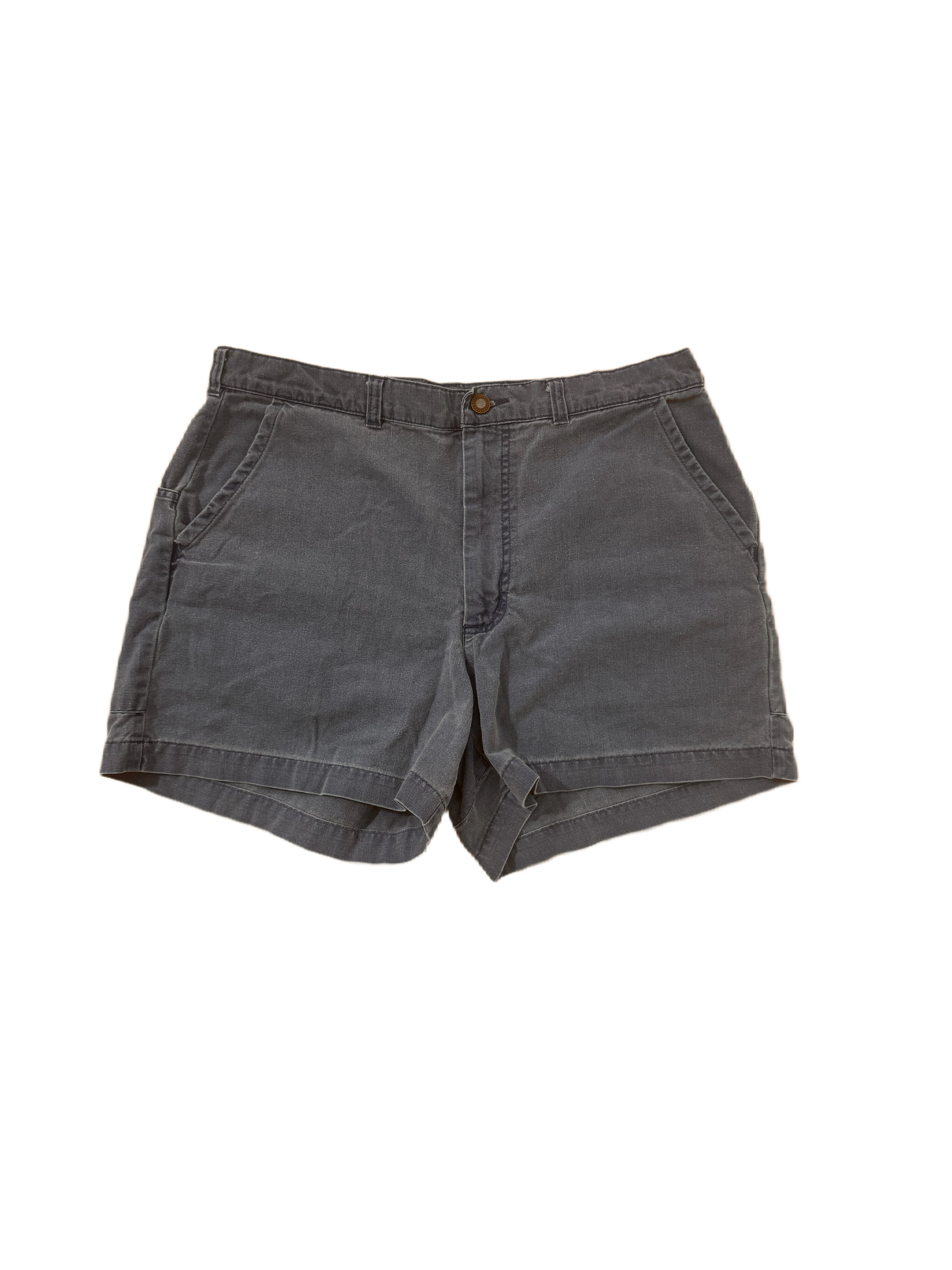
Patagonia began in 1973, though its roots run back to the 1950s when Yvon Chouinard was forging his own pitons in a coal-fired shop in Burbank. He was a climber first and a businessman almost by accident. Chouinard Equipment, his hardware venture, gave way to clothing when he realised the reusable steel pitons he sold were scarring the rock faces of Yosemite. That guilt shaped everything after. The company was named for a region of South America he loved, and it has spent five decades trying to reconcile making things with the cost of making them.
The construction is where the ideology becomes tangible. The Synchilla fleece, introduced in the mid-1980s and developed with Malden Mills, was among the first garments to use recycled polyester at scale. The Retro-X, with its deep pile and windproof lining, and the Better Sweater, knit to look like wool while behaving like plastic, are studies in solving a specific problem well. Seams are bar-tacked at stress points. Zippers are chosen to survive abuse. Nothing about a Patagonia jacket is decorative.
The cultural timing mattered. By the 1990s, fleece had migrated from the trailhead to the office, and Patagonia sat at the intersection of outdoor competence and a certain West Coast conscience. The company ran an advertisement telling people not to buy its jacket. In 2022, Chouinard transferred ownership to a trust and a nonprofit, directing profits toward fighting the climate crisis. The gesture was consistent with a man who has always seemed slightly embarrassed to be rich.
These pieces hold value because they were built to be repaired rather than replaced. Patagonia's Worn Wear programme runs mobile repair vans and a resale platform, and the message is unambiguous: the most sustainable jacket is the one you already own. A ten-year-old Synchilla with a few pills and a faded logo is not a compromise. It is the garment doing exactly what it was designed to do.
The people who wear it tend to fall into two camps that overlap more than they admit. There are the genuine users, the skiers and fly fishermen and dawn-patrol surfers who need the thing to work. And there are those who value what the brand signals, a quiet competence and a refusal of logo-mania. Both are drawn to the same restraint.
What you notice, wearing one for years, is how little it asks of you. The colour palette leans toward the useful. The fit is generous without being sloppy. A Patagonia fleece does not photograph dramatically, and that is the point. It is clothing for people who have stopped performing and started living outdoors, or who at least want to look as though they have.
Why buy pre-loved Patagonia
A Patagonia fleece bought second-hand is arguably the truest version of the garment. The company itself runs Worn Wear precisely because it believes the greatest environmental harm is in manufacturing something new. Buying used honours that logic exactly. These pieces soften with age, the pile settling into something more comfortable than new stock, and the construction was engineered to survive decades of it. You get the same bar-tacked seams and recycled fibre for a fraction of the price, and you extend the working life of a jacket that was never meant to be discarded. That is the whole idea.