The North Face Purple Label
How Nanamica Rebuilt The North Face for the City
The North Face Purple Label has operated as a Japan-only proposition since 1996, produced under licence by Goldwin and shaped by the hand of Eiichiro Homma. It takes the technical vocabulary of an American mountain brand and edits it for the sidewalk. The result is quieter, better made, and increasingly hard to find.
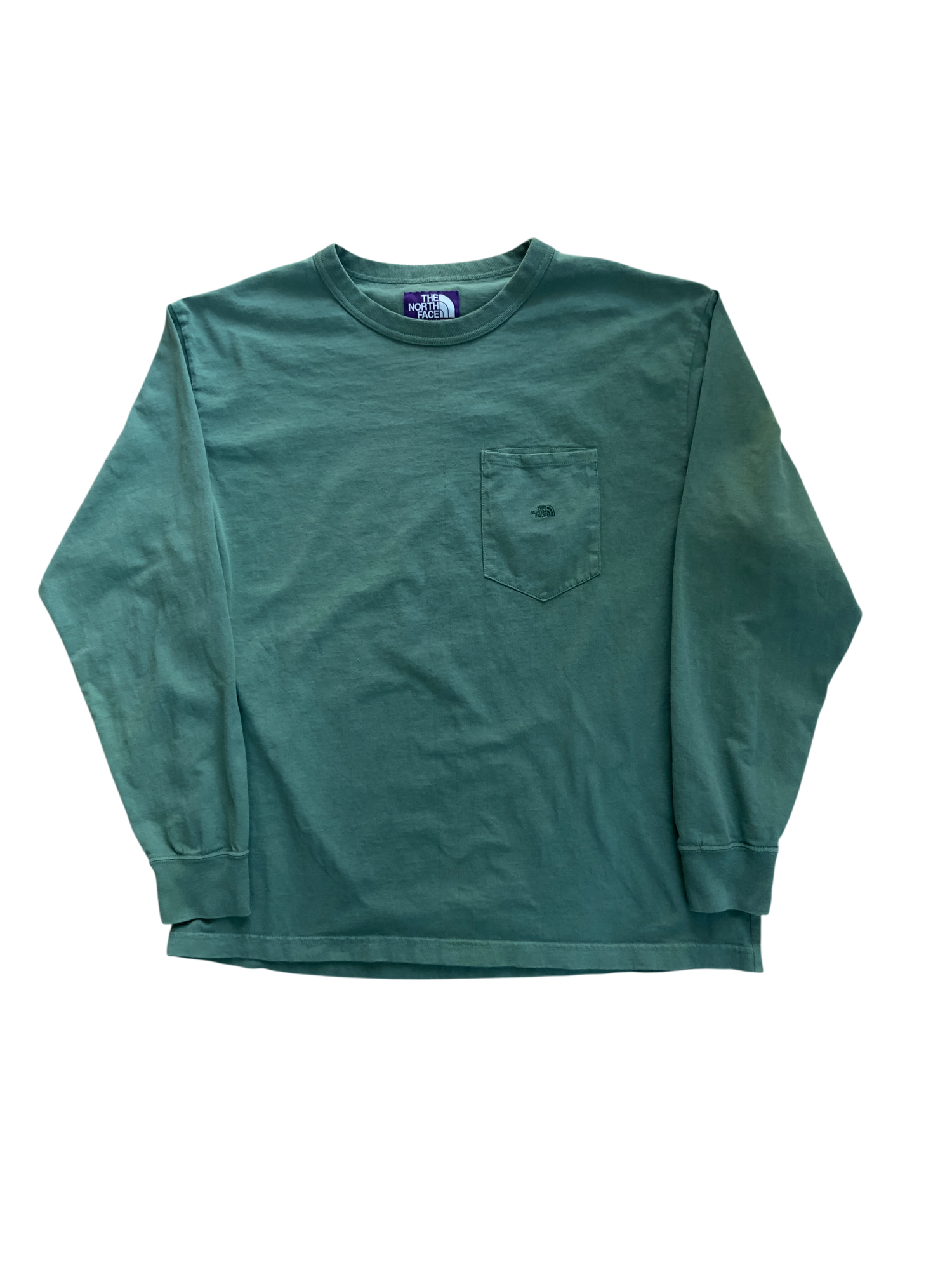
The story begins with Goldwin Inc., the Toyama-based company that has held the licence for The North Face in Japan since 1978. In 1996 Goldwin launched Purple Label as a domestic sub-label, and the man given creative direction was Eiichiro Homma. Homma would go on to found Nanamica in 2003, and the two labels have been intertwined ever since, sharing a design sensibility and, for years, sharing Homma himself. The brand is headquartered in Shibuya, and that address matters. This is mountain clothing conceived for Tokyo, not for the Sierra.
What separates a Purple Label garment from its parent line is a matter of restraint. The Mountain Wind Parka, one of the label's constants, uses 65/35 cloth, a blend of cotton and nylon that the original North Face used in the 1970s before GORE-TEX arrived. Homma brought it back not for nostalgia but because it drapes and ages in a way that pure synthetic never will. Where the American line shouts in safety orange, Purple Label works in navy, olive, ecru, and a grey that reads almost as brown in certain light. Logos are shrunk or removed entirely.
The construction rewards close inspection. Seams are finished cleanly. GORE-TEX appears, but in muted colourways and cut with more room through the body than a technical shell would allow. Wool-blend mountain jackets borrow the silhouette of a climbing parka and render it in tweed or melton. Corduroy shows up where you expect ripstop. This is the Japanese habit of taking a foreign artefact, studying it with something close to reverence, and then improving the parts that were never quite right.
The cultural timing was precise. The late 1990s in Japan saw the Ura-Harajuku movement and a broader fascination with American workwear and outdoor gear, filtered through magazines like Popeye and Free & Easy. Purple Label answered a specific desire: the utility and heritage of outdoor clothing without the loudness. It let a man wear a mountain parka to a gallery opening and look entirely correct.
Because the label produces in relatively small runs and sells almost exclusively within Japan, individual pieces develop a following. The 65/35 fabrics fade and soften. Wool jackets take on the shape of their wearer. These are not garments that look best on the hanger in a shop. They look best three years in, when the cotton has gone matte and the collar has learned how you stand.
The person who wears Purple Label tends to know exactly what it is. He is not buying it for the North Face name, which is barely visible, but for the way it sits between technical and tailored. He owns other Japanese labels. He reads the spec sheet before the price tag. He is, in short, the sort of customer who finds the whole enterprise slightly private, and prefers it that way.
Why buy pre-loved The North Face Purple Label
Purple Label has never been sold at retail outside Japan, so buying new means proxy services, markups, and guesswork on fit. The secondary market is where these pieces actually circulate. Better still, the fabrics that define the label, the 65/35 cotton-nylon and the wool blends, genuinely improve with wear. A pre-loved Mountain Wind Parka arrives already broken in, its stiffness gone, its character established. You skip the awkward early phase and inherit a garment that has already begun to age well, often for less than a proxy would have charged you new.